Kenya · Savannah reserve
Maasai Mara
Overview
Why Visit Maasai Mara
The Maasai Mara is famed for its dense predator populations and dramatic Mara River crossings.
Open savannah and high wildlife density make it Kenya's most photographed reserve.
Description
The Maasai Mara is famed for its dense predator populations and dramatic Mara River crossings.
Open savannah and high wildlife density make it Kenya's most photographed reserve.
Location Summary
The Masai Mara National Reserve — also written as Maasai Mara — is located in Narok County, southwestern Kenya, on the country's western border with Tanzania. It forms the northern extension of Tanzania's Serengeti National Park, sharing an unfenced boundary that allows wildlife to move freely between the two ecosystems year-round. This seamless border is what makes the Great Migration possible.
Location at a Glance
| Distance from Nairobi | Approximately 260 miles (420 km) southwest. Drive time: 5–6 hours. Flight: ~54 minutes from Wilson Airport. |
| Size | Approximately 580 square miles (1,510 km²). The wider Mara ecosystem, including private conservancies, extends considerably further. |
| Established | 1961 as a small 200-square-mile reserve. Expanded and granted National Reserve status in the 1970s. |
| Time Zone | GMT+3 (3 hours ahead of London; 8 hours ahead of New York EST) |
History
The reserve began in 1961 as a small wildlife sanctuary. Over the following decades it expanded significantly and was granted full National Reserve status in the 1970s, when a portion of land was returned to the local Maasai community. That arrangement — the cohabitation of people, livestock, and wildlife — continues today through the network of private conservancies that surround the reserve, and is one of the reasons the Mara ecosystem remains so ecologically intact.
Terrain & Landscape
The reserve comprises mostly vast open grassland — the classic African savannah — broken by clusters of acacia trees that gather into forest-like thickets. The Siri Escarpment of the East Rift Valley forms the western boundary, rising dramatically above the plains. Three main rivers run through the reserve: the Talek, Mara, and Sand Rivers, providing water for the land and sustaining the enormous concentration of wildlife. The Mara River is the stage for the Migration's most dramatic act — the river crossings where wildebeest plunge into crocodile-filled water in vast, chaotic columns.
Gates & Entry Points
The four main entry gates are open daily from 6:00 AM to 6:00 PM. All game drives must be timed around these hours if staying outside the reserve.
| Gate | Detail |
|---|---|
| Sekenani Gate | Main entrance. Most camps accessed from here. Most commonly used by visitors arriving from Nairobi. |
| Talek Gate | Eastern access point. Popular for camps in the Talek River area. |
| Musiara Gate | Northern entrance. Closest to Mara North Conservancy and the famous Marsh Pride territory. |
| Oloololo Gate | Western entrance leading into the Mara Triangle. Cashless payment only at this gate. |
Plan Your Route
Getting There
Step-by-step logistics from Nairobi or Kenya's coast. Beyond the Plains Safaris arranges every transfer — flight bookings, private road vehicles, and airstrip pick-ups.
Step 1 — Fly into Nairobi
All visitors arrive through Jomo Kenyatta International Airport (NBO) in Nairobi. Direct flights connect Nairobi with London, Amsterdam, Dubai, Doha, Mumbai, Delhi, and several other major hubs. A Kenya eVisa is available online before travel — it costs USD $30 and is typically processed within three business days. Most nationalities qualify.
Step 2 — Nairobi to Masai Mara
Fly from Wilson Airport in Nairobi — a small domestic hub approximately 15 minutes from the city centre — to one of the Mara's airstrips. Flight time is approximately 54 minutes on direct services.
Airlines - Air Kenya, SafariLink, Governors' Aviation
Airstrips - Keekorok, Musiara, Ol Kiombo, Angama, Olare Orok — your lodge confirms the correct one
Best for - Anyone with limited time; those who value comfort; couples, families
Note on hops: Some scheduled flights make intermediate airstrip stops. This can extend total travel time slightly. Your operator will confirm the most direct routing for your lodge.
Cost - USD $150–$350 per person one-way on scheduled services
Drive
A 4WD transfer from Nairobi takes approximately 5–6 hours via the A104 highway. The road is tarmac until Narok, after which a stretch of unpaved road leads to the reserve gates. Some camps lie deep within the reserve, which adds driving time beyond the gate. Do not rely on anyone who tells you it takes 3 hours. Plan for 5–6 hours minimum.
From Kenya's Coast
Many visitors combine a beach stay with a Mara safari. Here are the most practical connections:
Departure - PointBest - RouteApprox. - Travel Time
Mombasa - Fly to Nairobi, connect to Mara~3 hours total
Diani Beach - Direct flight from Ukunda Airstrip~1.5 hours
Watamu - Fly from Malindi Airport via Nairobi~3–4 hours
Malindi - Fly from Malindi Airport~2.5 hours
Safari Update Travels specialises in coast-to-Mara itineraries. We handle every connection so you arrive relaxed.

Plan Ahead
Entry Fees
The Mara has a seasonal, tiered fee structure for non-resident visitors. Here are the current figures — including the 12-hour rule that catches most first-time visitors by surprise.
| Visitor | Season | Fee |
|---|---|---|
| Non resident Adults | Low Season (Jan to Jun) | USD $100 per person per day |
| Non resident Adults | Peak Season (Jul to Dec) | USD $200 per person per day |
| Non resident Children (9–17 years) | Year-round | USD $50 per day |
| Children under 8 | — | Free entry |
Private Conservancy Fees
The conservancies surrounding the main reserve — Mara North, Olare Motorogi, Mara Naboisho, and the Mara Triangle — are managed separately and carry their own fees. These typically run USD $90–$150 per person per night and are almost always bundled into your nightly lodge rate.
What you get in exchange: off-road game drives, night drives, and guided walking safaris — none of which are permitted inside the main National Reserve. Wildlife density in the conservancies, particularly for big cats, rivals anything in the main reserve with a fraction of the vehicle traffic.
Mara Triangle (Western Corridor)
The Mara Triangle is managed separately by the Mara Conservancy. Entry fees mirror the main reserve but cashless payment only — Visa, Mastercard, or M-Pesa. No cash accepted at Oloololo Gate or Purungat Bridge. Lodges inside the Triangle include Mara Serena Safari Lodge and Little Governors Camp.
Payment Methods at the Gates
Sekenani & Talek - Cash (USD or Kenyan Shillings) or cashless (Visa, Mastercard, M-Pesa)
Oloololo / Mara Triangle - Cashless only — Visa, Mastercard, M-Pesa. No cash accepted.
Pre-payment (Nairobi) - Available via KAPS at the KATO office, Upper Hill, Nairobi. Recommended for fly-in safaris.
The bottom line: In any legitimate, professionally packaged safari, park and conservancy fees are included in your quoted price. Always ask your operator to confirm this in writing. All Beyond the Plains Safaris packages include full fee coverage with transparent itemisation.
Budgeting
Safari Costs
Honest, realistic cost tiers across all accommodation types. We provide fully itemised quotes for every enquiry — no hidden fees, no generic estimates.
What Drives the Price
- ✦
Prices vary by season, group size, and lodge choice — confirm current rates when booking.
Timing
Best Time to Visit
The Mara rewards visitors in every season — but timing shapes the character of the experience considerably. Here is an honest, seasonal breakdown.
July to October
Peak Season — The Great MigrationThis is when the Mara earns its legendary status. Over two million wildebeest, zebra, and gazelle cross the Mara River in dramatic, crocodile-lined crossings. Wildlife concentrations are at their annual peak. Book 6–12 months in advance — the best camps fill at this lead time. Our team tracks crossing positions daily and positions your vehicle for the best possible windows.
January to March
Dry Season & Predator ActionExcellent predator sightings across the reserve. Low, dry vegetation means lions, cheetahs, and leopards are highly visible and active. Fewer vehicles than peak season and rates are more accessible. A strong choice for returning safari travellers who value quality wildlife without peak-season congestion at the river crossings.
June and November
Shoulder SeasonGood game viewing with significantly fewer vehicles in the park. You may catch early Migration arrivals in June as the first wildebeest herds move north from the Serengeti. Rates are noticeably lower than peak season. A smart window for those who want quality sightings without peak-season pressure on availability or pricing.
April to May
Green SeasonLong rains bring a lush, cinematic transformation to the landscape. Wildlife disperses across the reserve but the permanent rivers continue to draw animals year-round. Birding is exceptional — 570+ species at their most active. Rates drop significantly and the reserve takes on a quiet, intimate character. Ideal for photographers and birders who prefer solitude at lower cost.
Year-Round Note
When to Visit for BirdwatchingBirders should target January and February — after the short rains, before the long rains, when all 570+ recorded bird species are highly active and the bush is still accessible. The Mara is one of East Africa's finest birding destinations in every season.
Early mornings and late afternoons consistently offer the best light for photography and the most productive wildlife encounters, regardless of season.
Experience
Wildlife & Activities
Five before sunrise, your guide pours coffee as the vehicle rolls out onto plains still cool and golden. Within the first hour, anything can happen. This is what the Mara offers.
Wildlife Highlights
- ✦Legendary big-cat sightings, day and night
- ✦The Great Migration's dramatic Mara River crossings (Jul–Oct)
- ✦Big open savannah ideal for hot-air balloon safaris
- ✦Maasai cultural visits and community conservancies
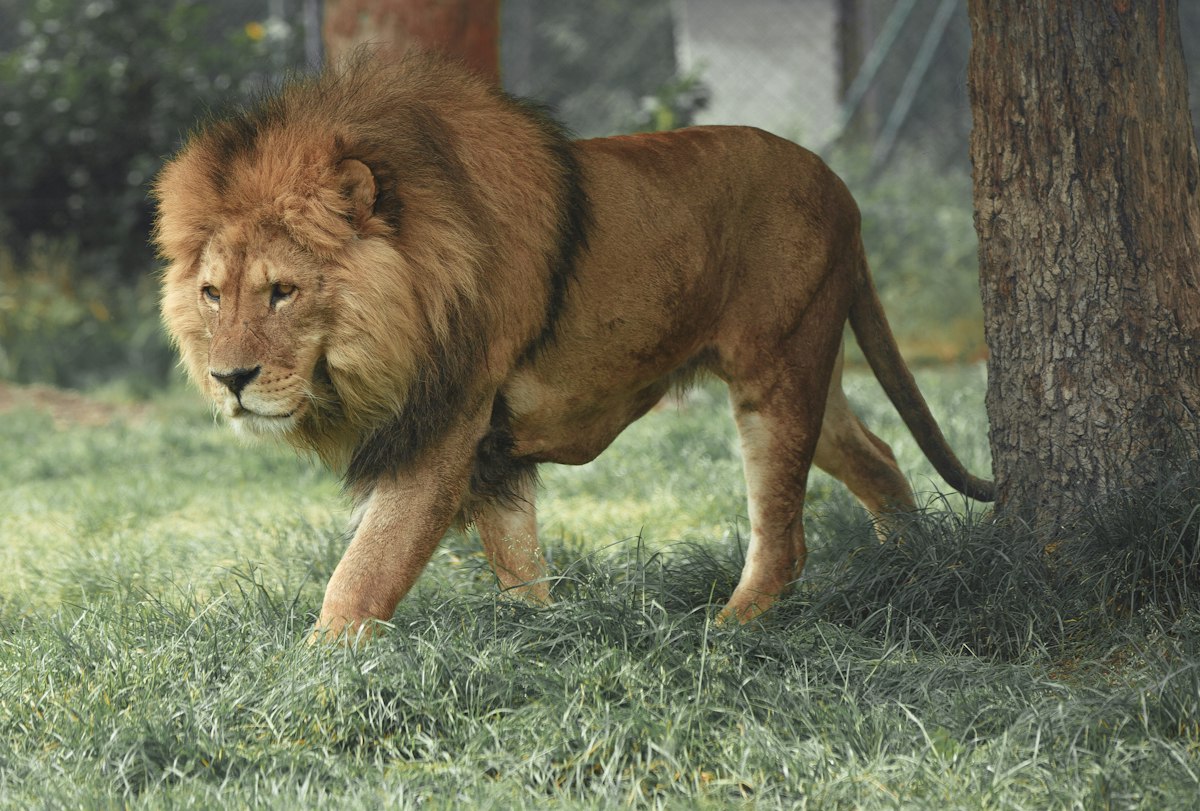
- ✦Some of Africa's highest lion and cheetah densities
Things to Do
- 1.
Wildlife
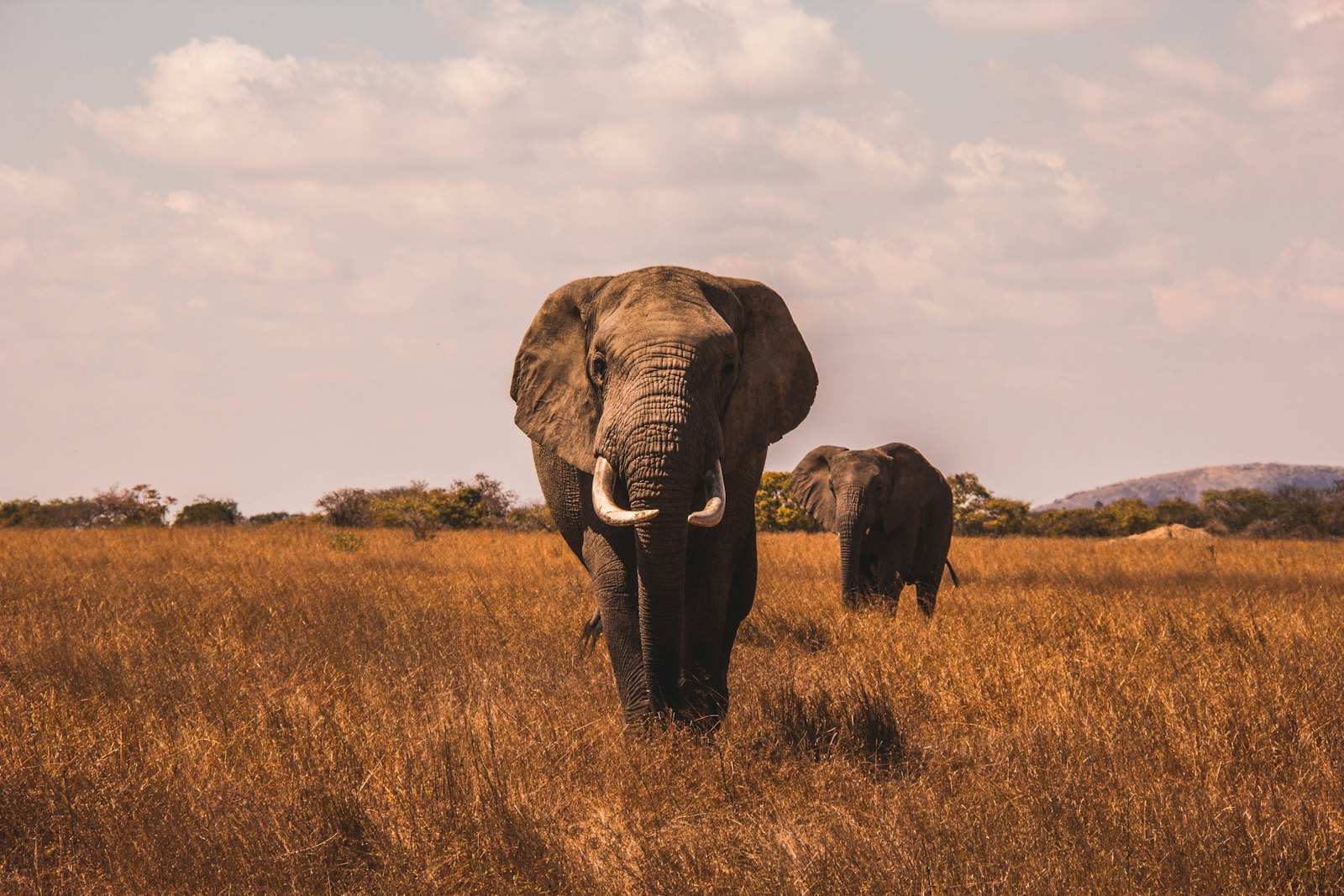
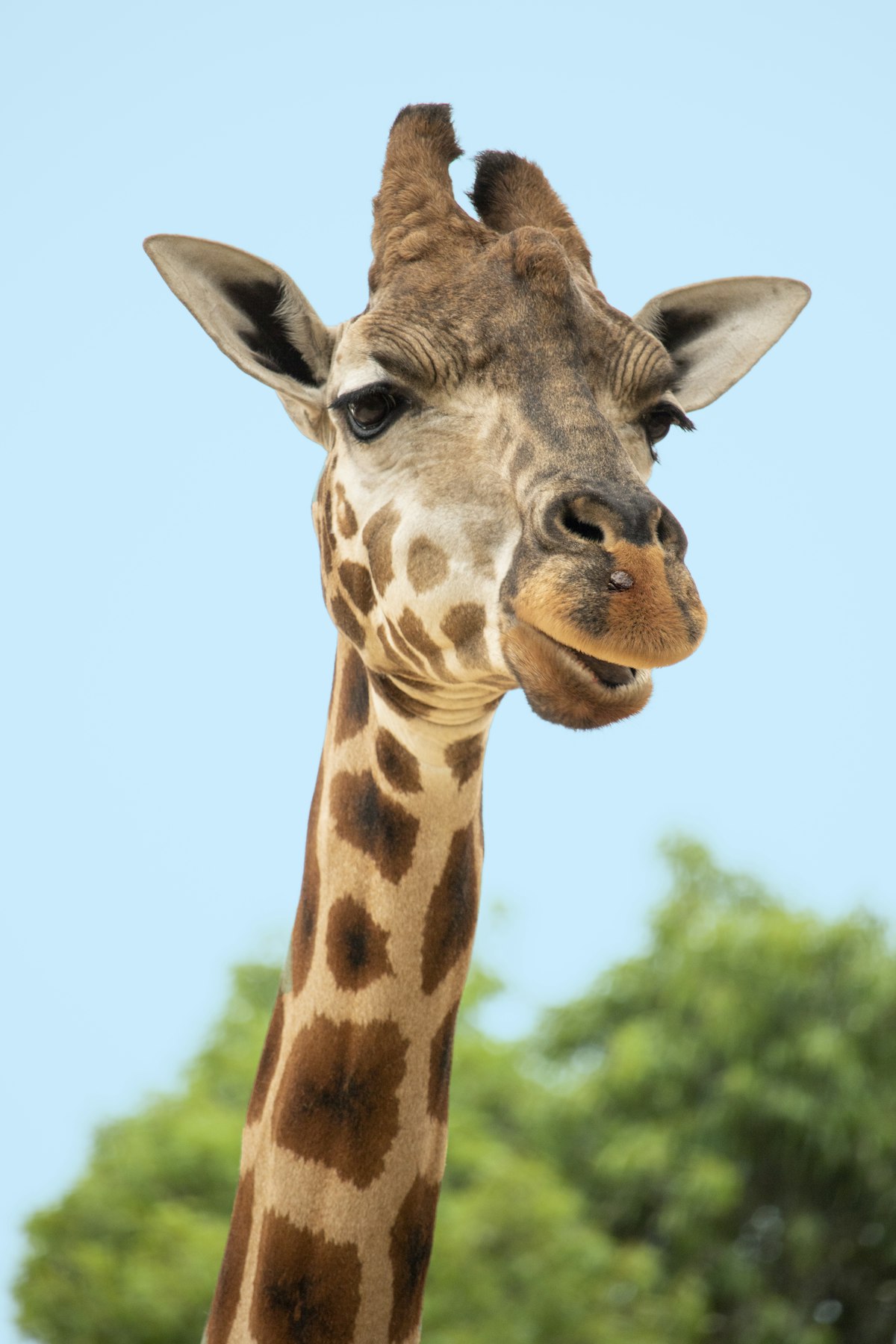
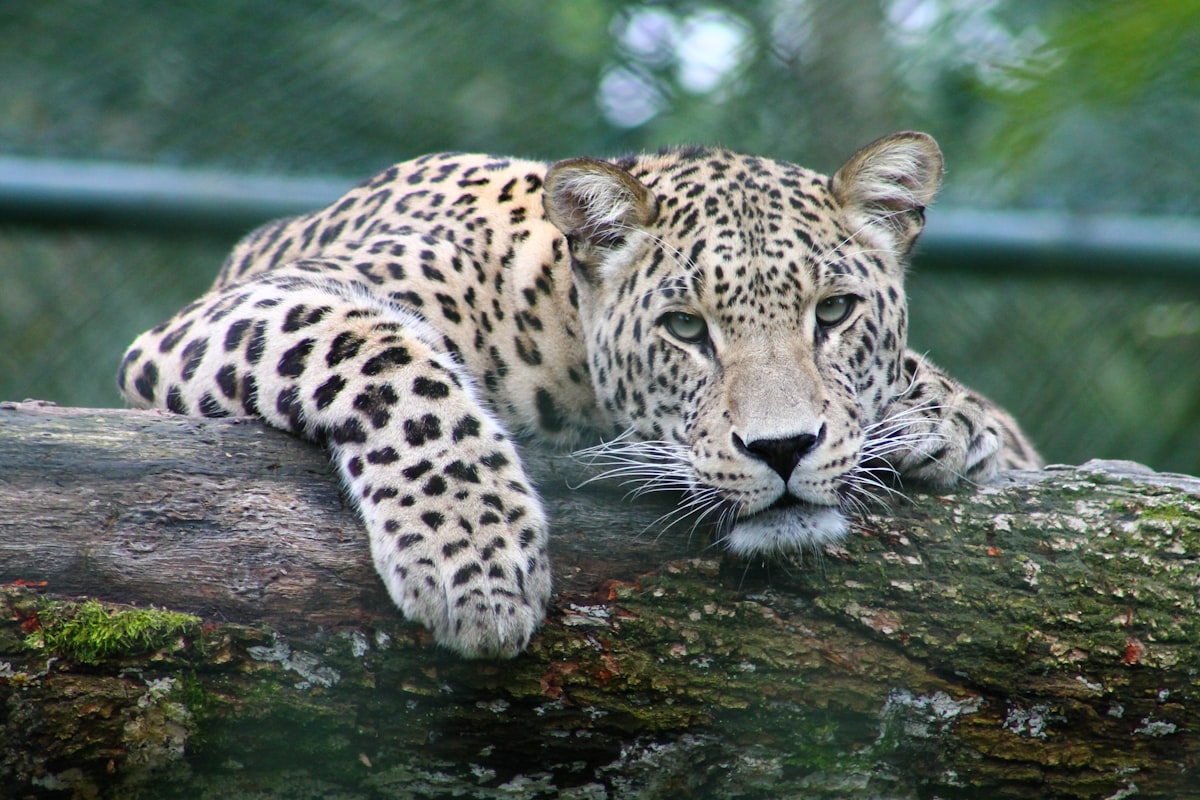
The Masai Mara is home to all of the Big Five: lion, leopard, elephant, buffalo, and rhinoceros. Beyond the headline species, the reserve supports over 95 mammal species including cheetah, giraffe, zebra, eland, topi, hyena, wild dog, and jackal. Nocturnal species include porcupine, civet cat, and white-tailed mongoose. Over 570 recorded bird species make the Mara one of East Africa's finest birding destinations.
- 2.
Game Drives
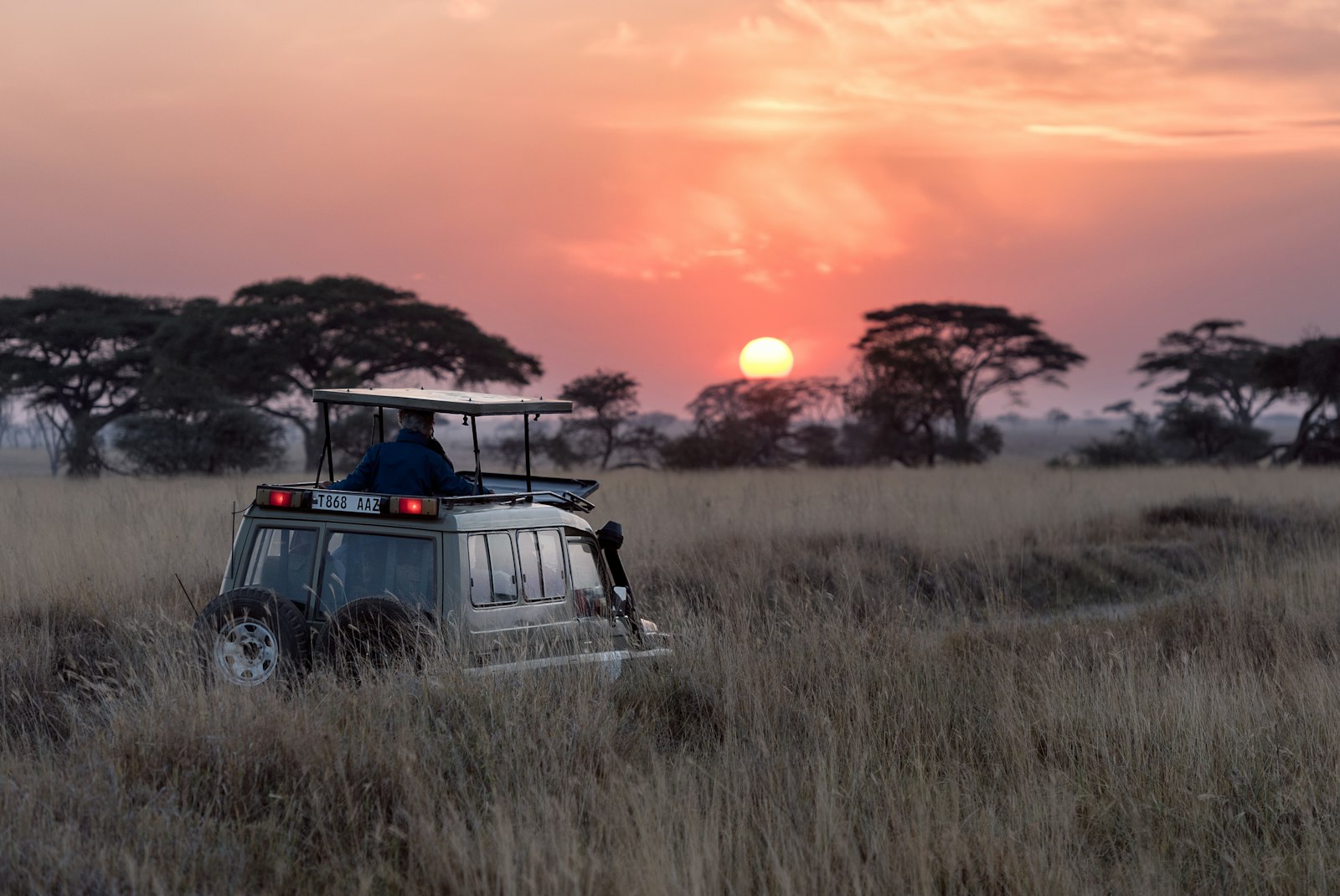
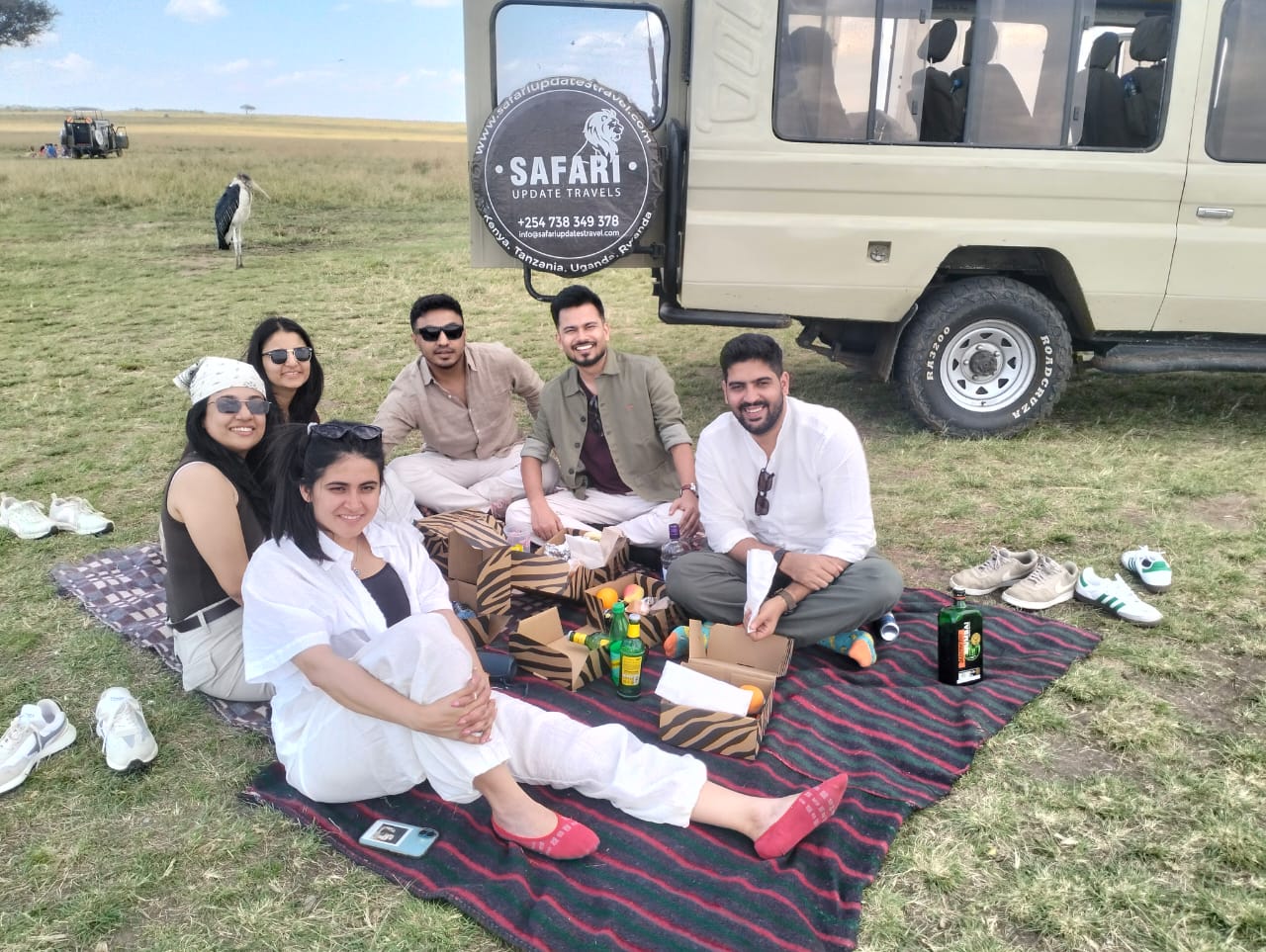
Open 4×4 Land Cruisers with pop-up roofs are the standard vehicle. Most lodges run morning drives (departing before or at 6:00 AM) and afternoon drives (departing around 4:00 PM). Full-day options include a packed picnic lunch on the plains. Inside the main reserve, only road driving is permitted — no off-road and no night drives. In the private conservancies, off-road and night drives are permitted.
- 3.
Hot Air Balloon Safaris
One of the Mara's most celebrated experiences. Flights launch before sunrise from the Mara Triangle area, drifting silently above the plains as the light grows and wildlife moves below. Around one hour in the air, followed by a champagne bush breakfast.
Cost: approximately USD $450–$550 per person for the flight, plus an $80 balloon landing fee payable to the reserve. Advance booking is essential during Migration season.
- 4.
Guided Walking Safaris
Walking safaris are not permitted inside the main National Reserve. However, guided bush walks of approximately one to two hours are available in the surrounding conservancies, led by Maasai guides or licensed professional safari guides. These offer an entirely different perspective on the landscape and the smaller wildlife that game drives often pass over.
- 5.
Maasai Village Visits
Spend time with a local Maasai community as they share daily life, warrior traditions, and cultural practices shaped by centuries of coexistence with wildlife. Visits are arranged through lodges and camps, and contribute directly to the community economy. One of the most meaningful parts of any Mara safari.
- 6.
Night Game Drives (Conservancies Only)
Available through licensed operators with advance permits in the private conservancies. Night drives reveal aardvarks, honey badgers, civets, servals, and leopards on the prowl — a world most visitors never see. Best incorporated into multi-night conservancy itineraries.
Big Five Sightings
Lion, leopard, elephant, buffalo, and rhino viewable year-round on game drives.
Sundowners on the Plains
Chilled drinks on the savanna as the Mara sky turns amber and crimson.
Bush Breakfasts
Table set on the open plains at sunrise — a moment no restaurant replicates.
Sundowners on the Plains
Chilled drinks on the savanna as the Mara sky turns amber and crimson.
Where to Stay
Lodges & Camps
We have personally assessed every property we recommend. The tables below include exact distances from the nearest gate — useful for understanding how long it takes to reach prime game viewing areas each morning.
Main Reserve — Masai Mara National Reserve
- 1.Sarova Mara Camp1.5 miles from Sekenani Gate (west)
- 2.Mara Explorer Camp2.5 miles from Sekenani Gate (northwest)
- 3.
Mara North Conservancy
- 1.Kandili Camp2 miles from Musiara Gate (north)
- 2.Mara River Camp4.8 miles from Oloololo Gate (northeast)
Olare Motorogi Conservancy
- 1.Mara Plains Camp27 miles from Oloololo Gate (southeast)
Mara Naboisho Conservancy
- 1.Hemingways Ol Seki Mara11.5 miles from Sekenani Gate (northeast)
- 2.Encounter Mara Camp12 miles from Sekenani Gate (north)
Mara Triangle (Mara Conservancy)
- 1.Mara Serena Safari Lodge41 miles from Sekenani Gate (northwest)
Related Safaris
Safaris Featuring Maasai Mara
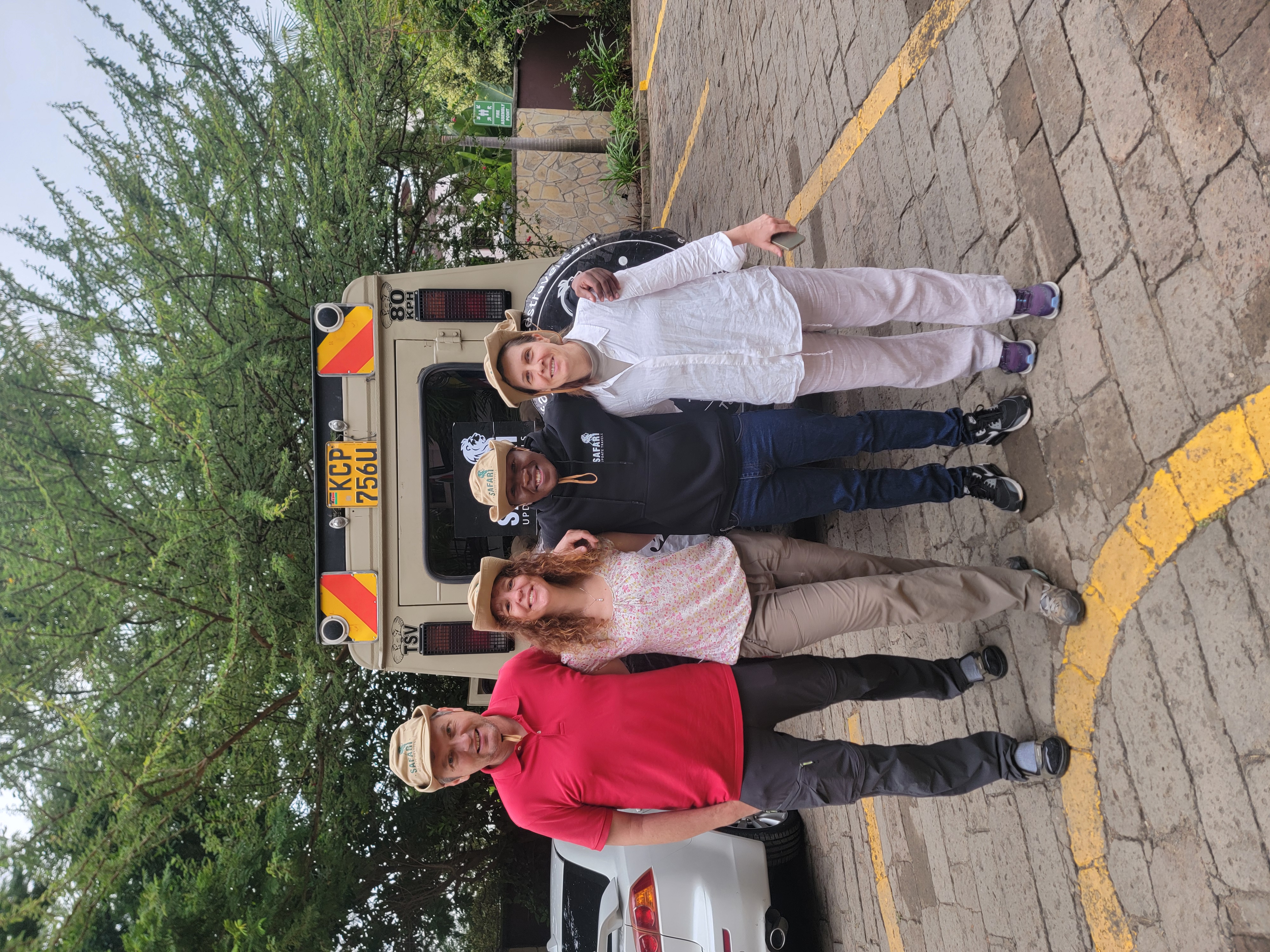
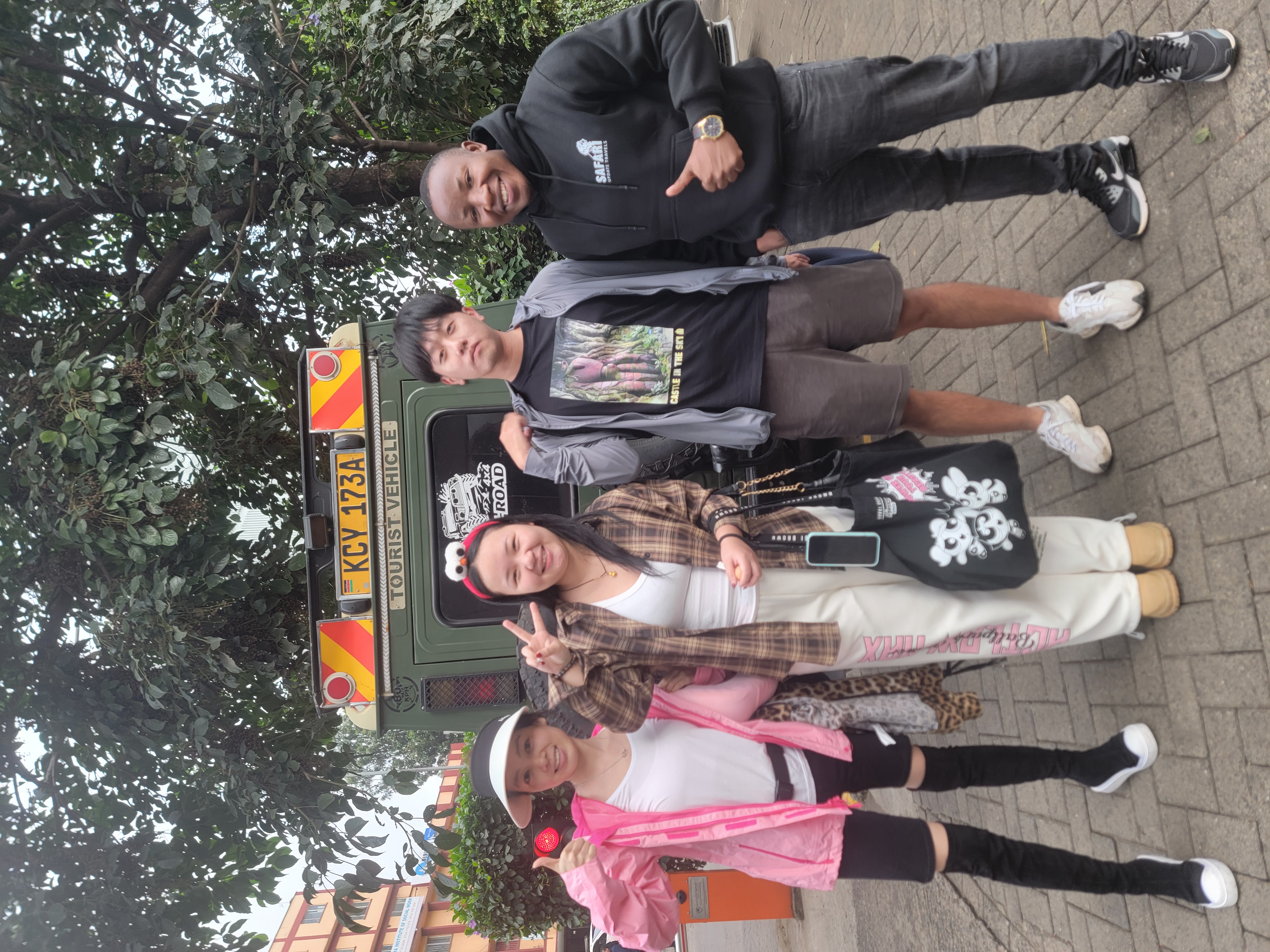
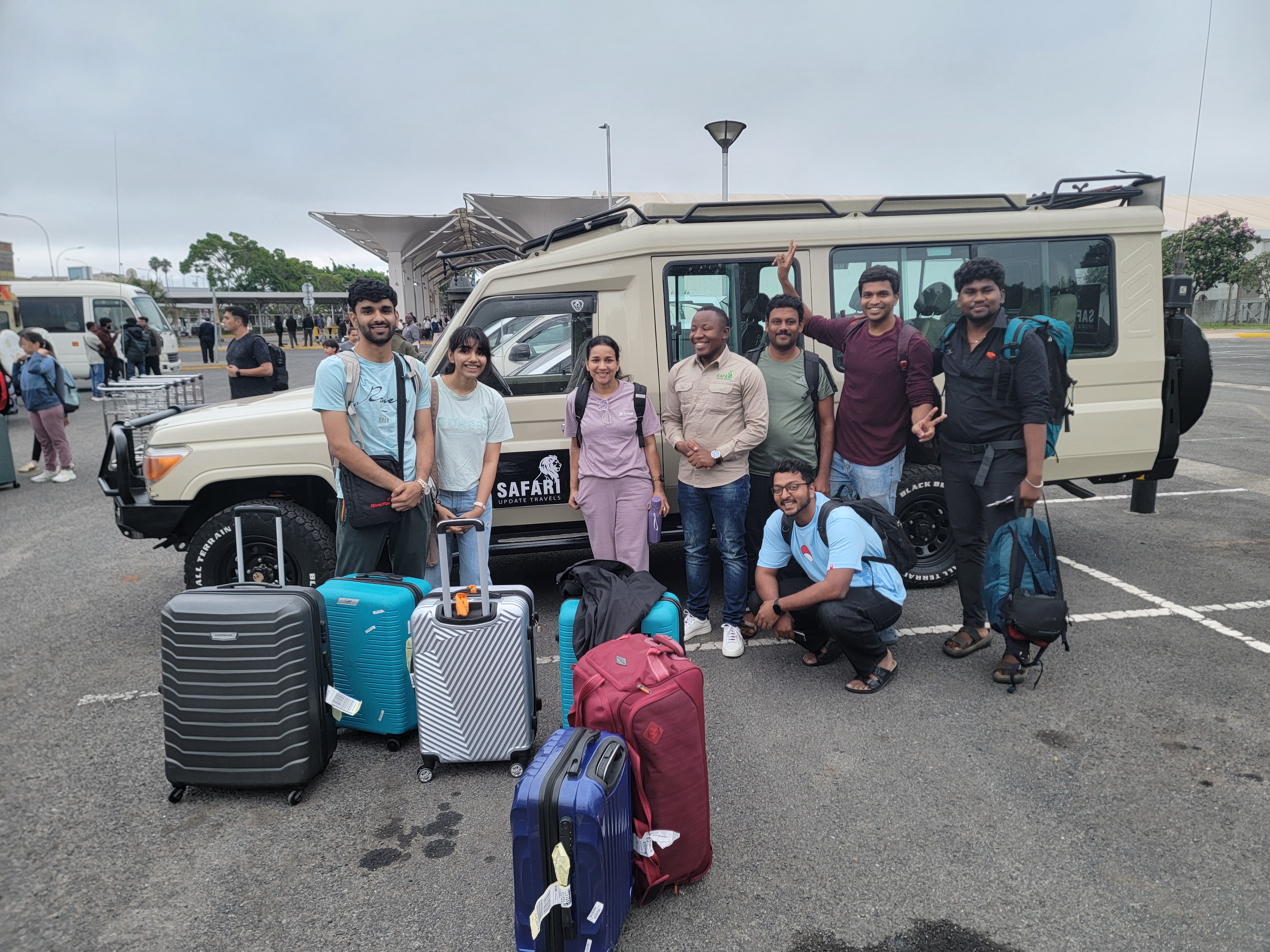
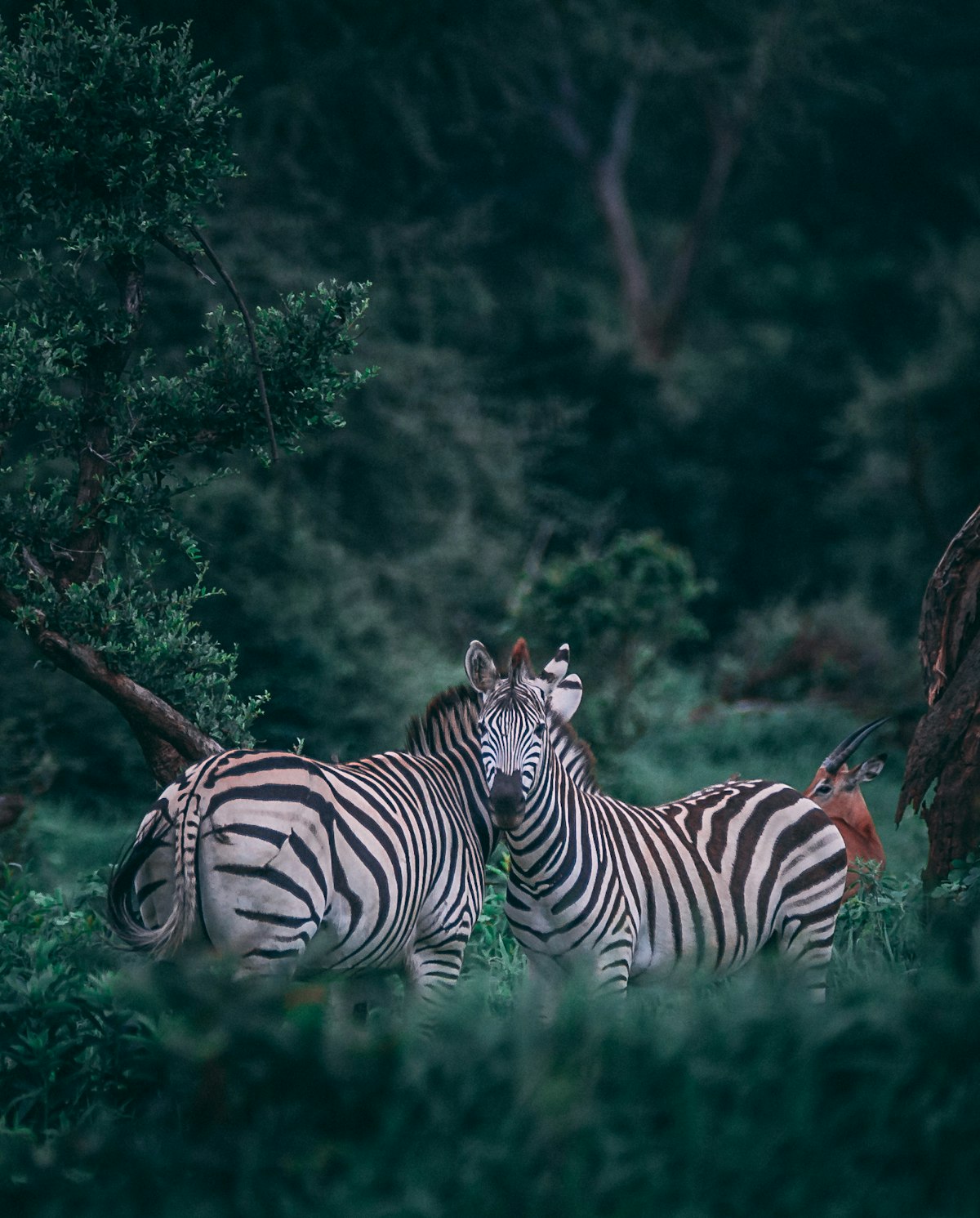
Every itinerary below includes the Masai Mara and can be adjusted around your travel dates, group size, and accommodation level. No fixed departures. No generic group tours.
Know Before You Go
Key Questions
Answers to the questions our clients ask most often. If your question is not covered here, our team responds to all enquiries within 24 hours.
Pair It With
Goes Well With
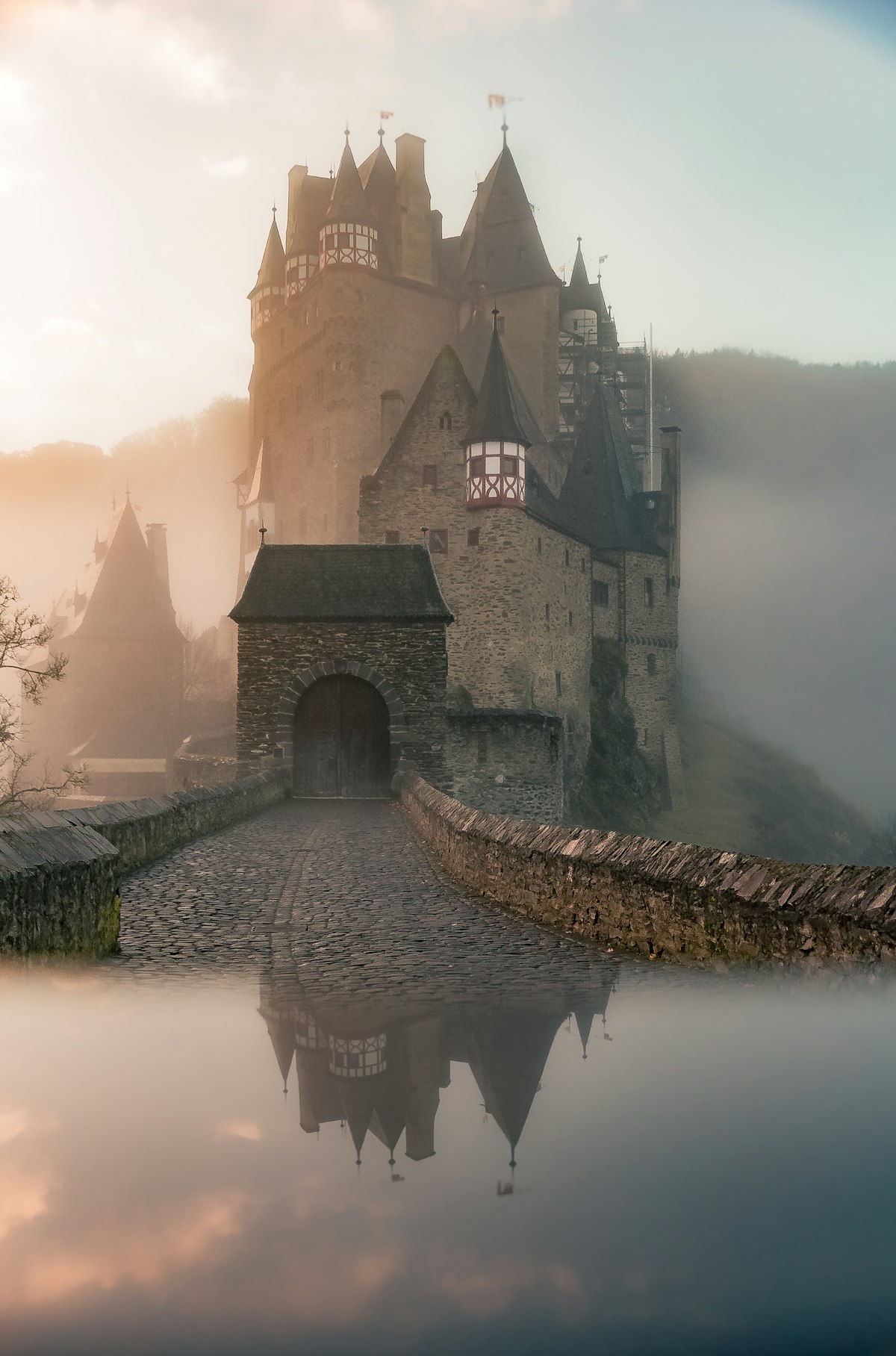
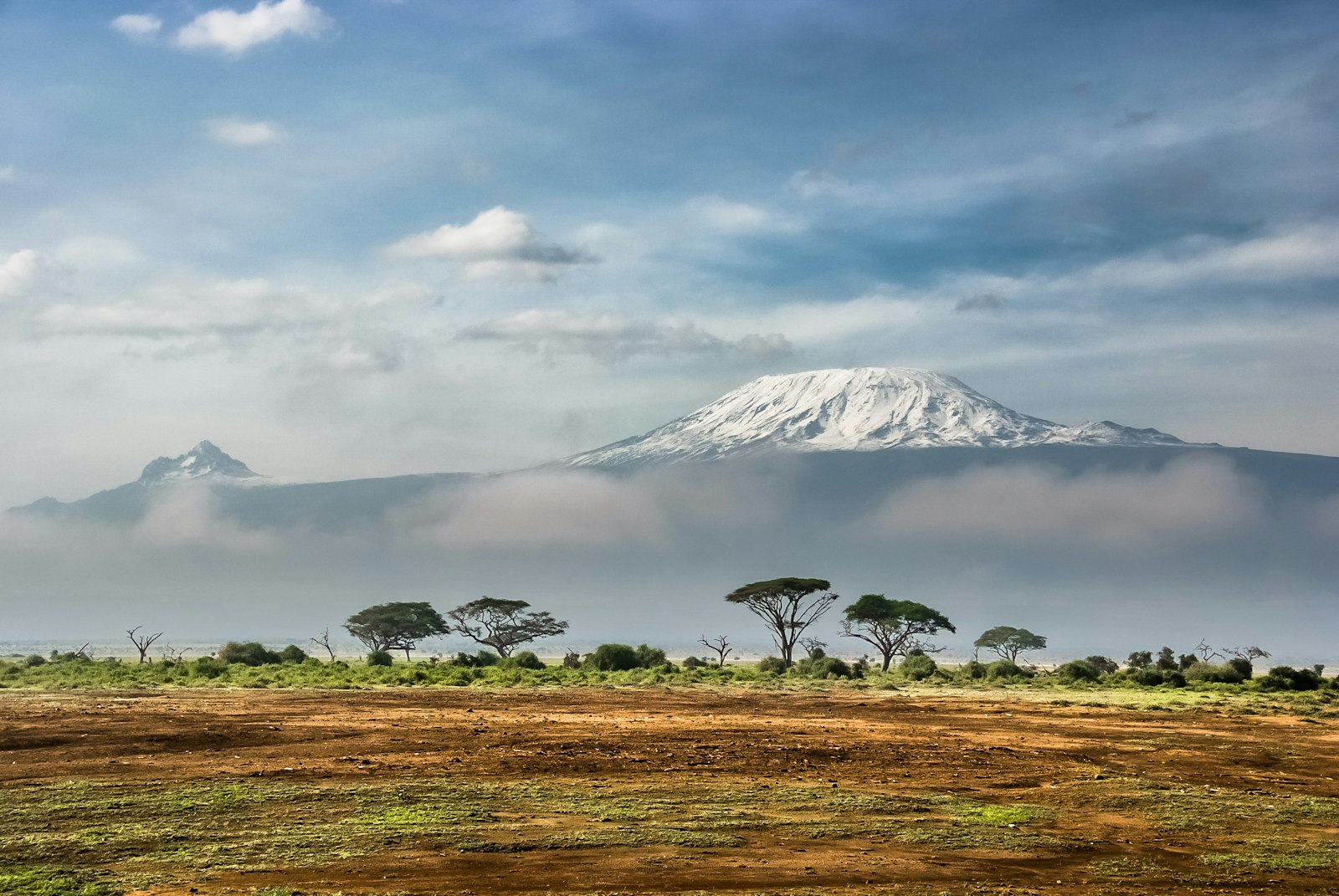
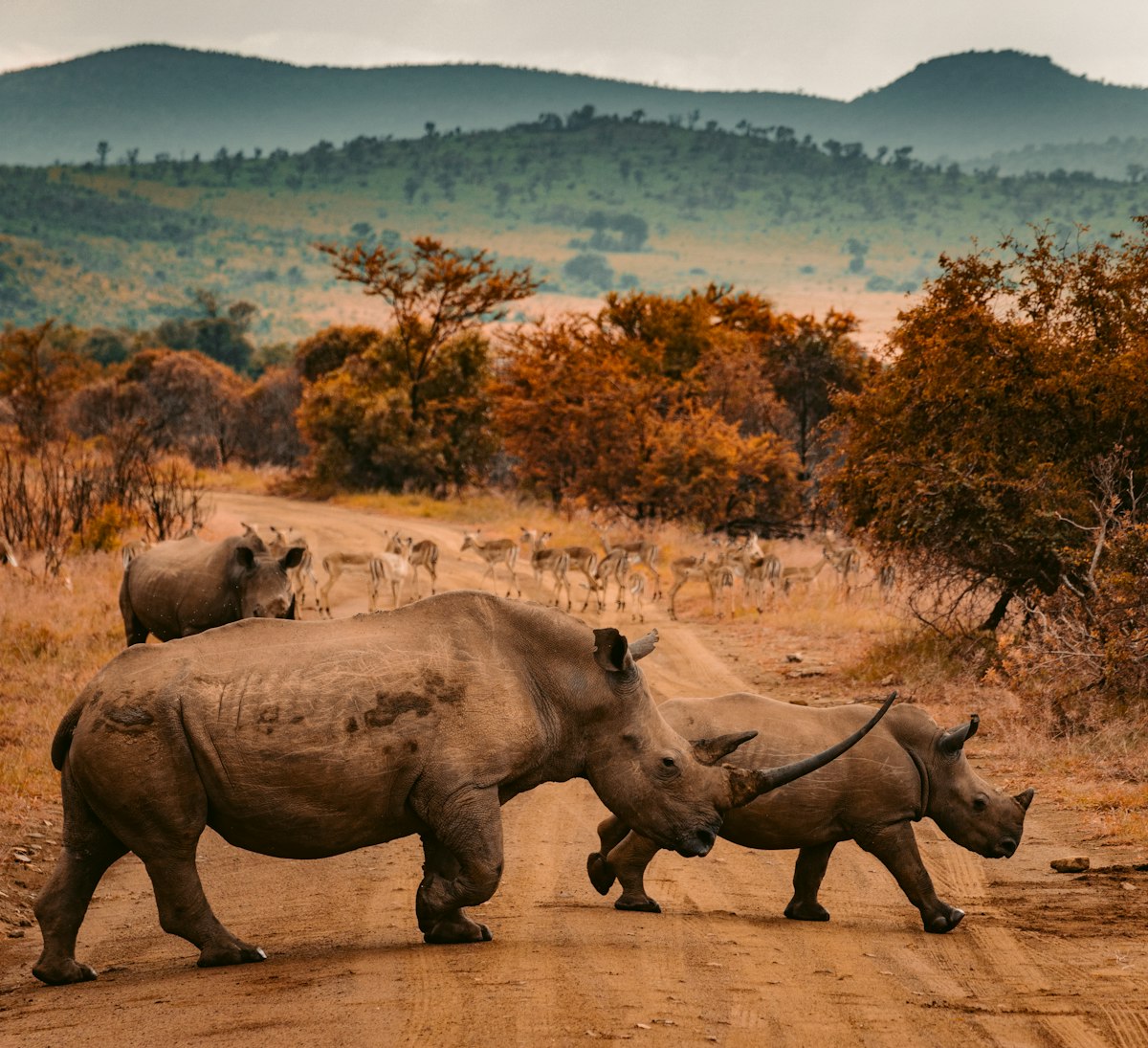
The Mara is extraordinary alone. Combined with these, your safari becomes a complete East African journey.
Start Planning
Ready to See Maasai Mara?
Tell us your travel dates, group size, and what matters most to you. We will respond within 24 hours with a tailor-made proposal — no generic quotes, no pressure.
Tailor-made tour
Want to Know More? Talk to Us.
No two travellers want the same safari. Tell us who’s coming and what you dream of seeing — we’ll craft a one-of-a-kind itinerary with honest advice and a clear quote.